https://youtu.be/GMPaNnEvYpQ
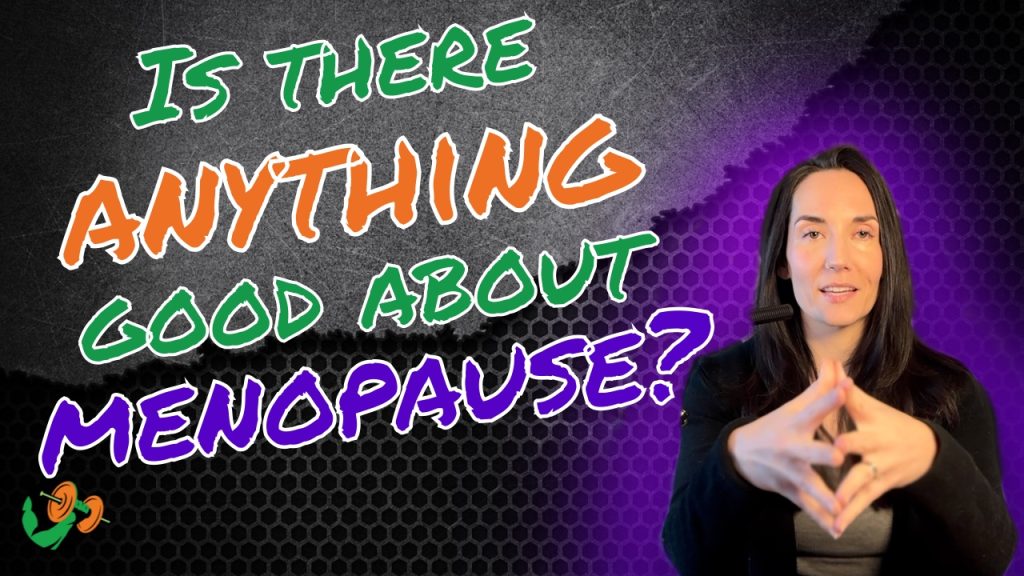
Video content summary: Understanding Menopause: Cultural Perspectives, Symptoms, and Empowerment
Menopause is a natural part of aging, yet how women experience it can vary greatly across different cultures. Too often, society paints menopause as a time of misery and decline. But what if it’s more than just endings? What if menopause offers an opportunity for growth and wisdom? Exploring how different cultures see and handle menopause can help shift our mindset and empower women worldwide.
The Cultural Paradigm of Menopause Around the World
Different countries have unique views on menopause. Some see it as a time of decline, while others celebrate it as renewal. These perspectives influence how women feel during this transition and how their societies honor them afterward.
The Japanese Approach to Menopause
In Japan, menopause is often less stressful. Women there experience fewer hot flashes and mood swings. The word for menopause, kenki, actually means renewal or rebirth. Instead of focusing on hormonal decline, Japanese culture emphasizes maintaining hormone balance naturally.
Japanese women tend to skip hormone therapy and instead focus on living a balanced lifestyle. Their diets are full of plant-based foods, rich in soy and fiber. Regular exercise and preventative healthcare are common, helping them stay healthy and vital well into old age.
What’s fascinating is that hot flashes are much less common among Japanese women—only about 25% report experiencing them. Most see menopause as a gentle shift, a time when their bodies find new strength and balance.
The Mayan Perspective on Menopause
In Mayan communities, menopause is viewed as a positive change. Many women reach menopause around age 44 but see it as a new phase, not an ending. Unlike Western society, Mayan women often look forward to this stage with pride and joy.
Research shows Mayan women don’t suffer from severe menopause symptoms. They even report feeling more liberated after menopause. Post-menopause becomes a time for women to take on new roles as community leaders and spiritual guides.
This attitude is rooted in their culture, which sees elder women as wise and important. Their society values experience and wisdom, and menopause marks a transition to that revered status.
Indigenous and Other Cultures Recognizing Elder Women’s Wisdom
In many cultures like the Maori in New Zealand, Native Americans, and Indian societies, older women hold high respect. These societies see menopause as a time when women gain new authority and spiritual strength.
For example, in some communities, women become priestesses or healers after menopause. They are valued for their knowledge and life experience. The “grandmother hypothesis” suggests that women who live longer after menopause play key roles in helping raise grandchildren and guiding their families.
This purpose adds meaning and dignity to aging. Having strong social roles keeps women active and respected well into their later years.
Biological and Lifestyle Factors Influencing Menopause Symptoms
Why do women in some countries have fewer menopause symptoms? Lifestyle, diet, and genetics all play parts.
The Role of Diet and Nutrition
Western diets are often full of dairy, trans fats, and processed foods. These can cause high estrogen levels, leading to worse menopause symptoms. On the other hand, cultures like Japan and the Mayans eat plant-based foods rich in phytoestrogens—plant compounds similar to estrogen.
Studies show that these foods may help balance hormones naturally, reducing hot flashes and mood swings. For example, soy-based foods like tofu and tempeh are common in Japan and linked to fewer symptoms.
Exercise and Preventive Healthcare
Staying active can reduce menopause discomfort. Regular exercise boosts mood, improves sleep, and strengthens bones. Many cultures incorporate physical activity into daily routines, which helps them age gracefully.
Managing stress, getting enough sleep, and practicing holistic health can also make menopause easier. These habits improve overall well-being and lessen symptoms.
Genetic and Biological Factors
Genes influence how women experience menopause. Some women naturally have fewer symptoms because of their biological makeup. Body changes like fluctuating hormones cause symptoms, but lifestyle choices can make a big difference.
Rethinking Menopause: From Disease to Transition
Western medicine often sees menopause as a problem needing treatment. Women are told to fight symptoms with medications like hormone therapy. But is menopause really a sickness?
Challenging the Medical Model
Many studies suggest there’s no such thing as a universal menopausal syndrome. Symptoms vary widely from person to person. Some women sail through menopause with hardly any issues, while others struggle.
Hot flashes are the most common symptom, but others like depression, headaches, or memory lapses aren’t always linked directly to menopause. These are often just signs of aging or stress.
The Power of Cultural Mindsets
Our attitudes shape how we experience menopause. Cultures that see it as a natural, even positive phase, tend to have women with fewer symptoms. If society embraces aging and wisdom, women may feel more confident and less troubled by menopause.
Empowering Women Through Education and Self-Understanding
Knowledge is power. Women should learn about their bodies and options for managing menopause. Lifestyle choices—healthy eating, exercise, and stress reduction—are tools we can use to improve this stage of life.
Medical treatments are available, but they’re not the only answer. Holistic approaches, mental health support, and community connection help make menopause a time of growth.
Embracing Menopause as a Time of Growth and Leadership
In many cultures, menopause is seen as a gateway to new opportunities rather than an ending.
The Value of Women’s Wisdom After Menopause
Post-menopausal women often take on new roles as community leaders, healers, and spiritual guides. Their experience makes them important sources of advice and strength.
For example, Mayan women celebrate menopause as “a season of renewal,” a step toward collective wisdom. These societies recognize that older women’s knowledge benefits everyone.
Positive Narratives and Personal Empowerment
Changing the story from “women are declining” to “women are thriving” helps us value this natural transition. Women around the world are sharing stories of empowerment during menopause.
It’s about stepping into this stage with purpose, confidence, and a sense of contribution. Seeing menopause as a beginning rather than an end makes all the difference.
Practical Strategies for a Healthy Menopause
To make menopause smoother, focus on simple but powerful habits:
- Eat healthy fats, fiber, and phytoestrogens like soy and flaxseed
- Stay active through walking, yoga, or sports
- Manage stress with meditation, deep breathing, or hobbies
- Get enough sleep and connect socially with supportive friends
- Explore medical options when necessary, including hormone therapy and natural remedies
Conclusion
Menopause isn’t just a biological event; it’s a cultural experience. Different societies see it differently, showing us that menopause can be a time of renewal and strength.
By shifting our mindset and learning from other cultures, women can embrace this phase with confidence. It’s about celebrating wisdom, supporting each other, and recognizing the vital role women play beyond reproductive years.
The more we understand and respect menopause as a natural transition, the more empowered women will feel. Let’s continue to share knowledge, challenge outdated beliefs, and honor this beautiful chapter of life.
Takeaway: Menopause is not a disease but a milestone. Embrace it, learn from other cultures, and see it as an opportunity for growth and leadership. This mindset can make all the difference in how you experience this change.