https://youtu.be/gXoRisDYilE
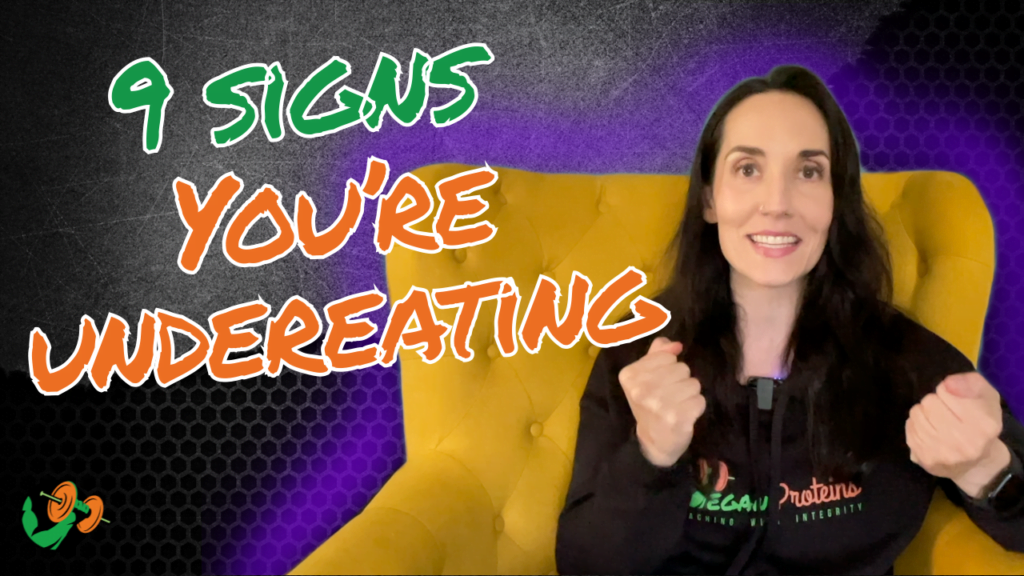
Video content summary: 9 Warning Signs You’re Not Eating Enough Calories
Losing fat requires a calorie deficit, but a bigger deficit is not always better. When calories drop too low, your body starts pulling energy away from recovery, hormones, digestion, and day-to-day function.
That can show up as exhaustion, missed periods, hair shedding, constipation, or a constant mental pull toward food. If several of these signs are showing up at once, your diet may be too aggressive.
A calorie deficit can go too far
Fat loss happens when you eat fewer calories than you burn. That part is simple. What gets missed is that steep deficits come with real downsides, even if the scale is moving.
You can’t “break” fat loss by eating too little, but long stretches of under-eating can still make you feel awful. A good diet should help you lose fat without dragging down your health and performance.
9 warning signs you’re not eating enough
- Constant fatigue and poor recovery. Calories are energy. If you feel drained all day, or you start workouts sore and worn out, your body may not have enough fuel to recover.
- Getting sick more often. Your immune system needs both nutrients and calories. A multivitamin can’t make up for a diet that is too small.
- Hair loss. When energy is low, your body puts survival first. Hair growth gets pushed down the list while your heart, brain, and other organs get priority.
- Reproductive and hormone issues. Missing periods, low libido, or trouble with sexual performance can all show up when sex hormones drop. If your body reads your diet like a famine, reproduction won’t be a priority.
- Feeling cold all the time. Eating creates heat through digestion, and low body fat can make this worse. That’s why people deep into bodybuilding prep often feel freezing.
- Skin problems and slow healing. Under-eating can show up as acne, dry or patchy skin, more sun sensitivity, or cuts that take longer to heal.
- Low mood or depression. The full link isn’t clear, but the brain needs a lot of energy, and under-eating may also affect the gut. Both can drag mood down.
- Constipation or slow digestion. Less food means less bulk moving through your system. Digestion also takes energy, so bowel movements often become less frequent and more difficult.
- Food focus. This is the constant chatter about eating that never seems to shut off. It often looks like this:
- planning meals in MyFitnessPal all day
- watching cooking or restaurant content nonstop
- thinking about the next meal right after finishing the current one
Choose a deficit you can live with
A modest deficit usually works better. The range given here is about 200 to 500 calories per day, with smaller people closer to 200 and larger people closer to 500.
If you’re white-knuckling your diet, or you can’t picture doing it six months from now, it’s probably too steep. Over time, that can slow your metabolism for a while and make weight regain more likely when normal eating returns.
Final thoughts
If several of these signs are happening together, your body may need more food, not more discipline. Fat loss should feel controlled and sustainable.
The best diet is one that helps you make progress while still letting you train well, recover well, and feel like yourself.
